Fluorine Handwritten Display Font for Crafters & Sellers
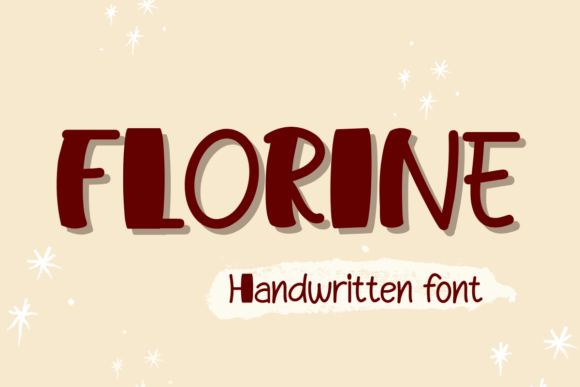
If you’ve ever spent hours tweaking letter spacing on a greeting card only to find the text still feels stiff—or printed a boutique tag that looked charming on screen but lost its warmth in ink—you know how much a font can make or break your product’s emotional pull. That’s why Fluorine has become my go-to handwritten display font for physical and digital craft products. It’s not just “cute”—it’s intentionally friendly, gently rounded, and full of quiet confidence. The lowercase letters have soft entry and exit strokes, like ink pressed lightly by hand, while capitals hold presence without shouting. There’s no forced flair or over-the-top swash—just honest, approachable handwriting that reads clearly at 12pt on a sticker and sings at 120pt on a farmhouse sign.
I use Fluorine across my entire product line: soy candle labels, printable wedding welcome boards, seasonal SVG cut files for Cricut and Silhouette, boutique gift tags, and even embroidery pattern titles. Its readability shines where it matters most—on small surfaces. I’ve tested it down to 8pt on 1” round stickers (with clean vector outlines), and it holds up beautifully when printed on kraft paper or matte vinyl. For laser-cut wood signs or engraved acrylic tags, Fluorine’s consistent stroke weight prevents thinning or breakage during cutting—no ghost lines or jagged edges. And because it’s designed as a display font, it performs best for short, high-impact phrases: “Hand-Poured,” “Made With Love,” “Farmhouse Fresh,” or a name on a baby milestone card.
Where Fluorine truly stands out is in brand consistency. When I launched my holiday cookie packaging last November, I used Fluorine for all product names (“Ginger Snap,” “Peppermint Crisp”) and paired it with a light, airy sans serif for ingredients and net weight. Customers began recognizing the font across my Etsy shop—even tagging me in unboxings saying, “That sweet handwritten font is *so* you.” That kind of organic recognition doesn’t happen with generic scripts. Fluorine builds familiarity without sacrificing professionalism. It signals care, craftsmanship, and warmth—exactly what handmade buyers respond to.
For wedding stationery, Fluorine adds sincerity without formality. I’ve used it for “Welcome to Our Day” signage, place cards (printed on textured cotton paper), and digital RSVP templates—and guests consistently comment on how “real” and inviting the text feels. It works especially well for rustic, botanical, or minimalist themes. On mug designs? Yes—it wraps cleanly around ceramic curves in mockups, and the subtle variation in letter height gives movement without chaos. For tote bags and tees, I pair Fluorine with a crisp, low-contrast sans serif for care instructions or sizing—keeping hierarchy clear while preserving charm.
Pairing Fluorine thoughtfully elevates any project. My favorite combo: Fluorine for headlines + Interstate Light or Work Sans for body text. That contrast—handwritten warmth against modern neutrality—creates balance and guides the eye naturally. If you’re designing product packaging, try Fluorine for flavor names and a gentle serif like Cardo for origin stories or certifications. Avoid pairing it with other heavy scripts or overly decorative fonts; Fluorine thrives when it’s the expressive voice in a calm, intentional chorus.
Before downloading, check what’s included: Fluorine comes as a standard OTF file with basic OpenType features—ligatures for common pairs like “fi” and “fl,” plus stylistic alternates for select letters (like a swirly “g” or dotted “i”). No extended language support beyond Latin-based characters, so keep that in mind for multilingual product lines. It’s not a full paragraph font—don’t set a 500-word blog post in it—but it’s perfect for titles, quotes, labels, and callouts across printables, SVG bundles, and social media graphics.
One practical note many crafters overlook: commercial licensing matters. Fluorine is licensed for both personal and commercial use—including selling physical goods (candles, mugs, apparel), digital downloads (planner pages, wall art PDFs), and client work (like custom invitation suites). You *can* embed it in Canva templates you sell, use it in SVG files for sublimation or heat transfer, and apply it to merchandise you manufacture. Just avoid uploading the raw font file to third-party platforms where others could download it directly. As long as you’re delivering final artwork—not the font itself—you’re covered.
In my studio, Fluorine lives in the “trusted tools” folder—not because it’s flashy, but because it delivers every time. It makes handwritten-style projects feel intentional, not rushed. It helps customers pause, smile, and connect before they even read the words. Whether you’re printing 100 lavender-scented soap labels or designing a single digital planner cover, Fluorine brings that human touch without sacrificing polish. And in a market flooded with overly ornate or sterile fonts, that balance—friendly yet functional, handmade yet reliable—is rare. It’s the kind of display font that doesn’t shout for attention… but earns it quietly, every single time.